

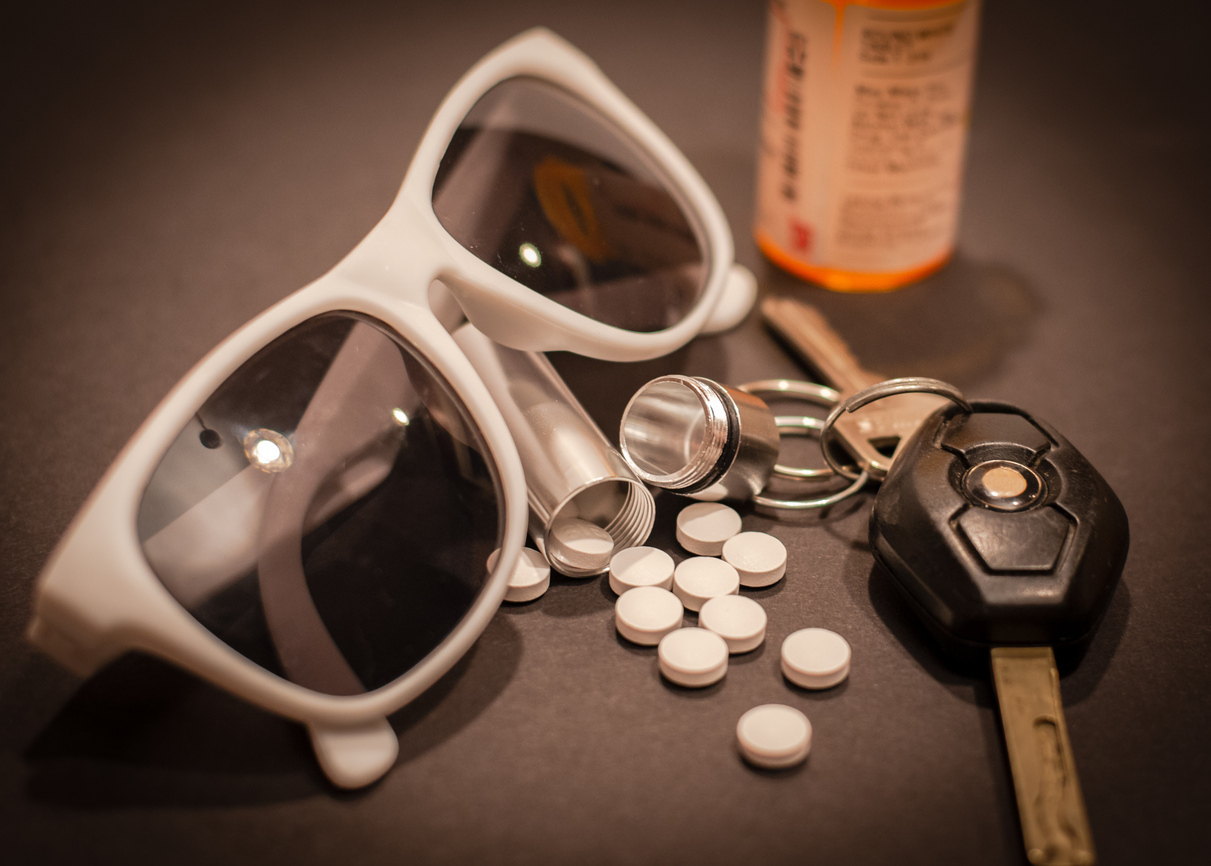
When people hear “DWI,” they often think of alcohol or illegal drugs. But in Texas, a driver can face a DWI charge after taking medication that a doctor legally prescribed.
Having a valid prescription does not automatically prevent an arrest or DWI prosecution. At the same time, taking prescription medication does not by itself prove that someone was legally intoxicated. When prescription drugs are involved, the circumstances surrounding the traffic stop, the driver’s condition, and the evidence collected can become particularly important.
Can You Get a DWI for Taking Medication as Prescribed?
Yes. Under Texas law, DWI is based on whether a person was intoxicated while operating a motor vehicle in a public place, not simply on whether the substance involved was legal or illegal.
Prescription medications that affect alertness, coordination, judgment, or reaction time may become an issue in a DWI investigation. These can include certain pain medications, anti-anxiety drugs, sleep aids, muscle relaxants, and other medications with potentially impairing effects.
Even when a medication was prescribed and taken as directed, law enforcement may still investigate whether it affected the person’s ability to drive.
How Do Police Investigate Prescription Drug DWI Cases?
Unlike many alcohol-related DWI cases, prescription medication cases may not involve a simple breath-test result that can be compared with a statutory alcohol concentration.
Instead, officers may rely on multiple forms of evidence, including:
- Driving behavior observed before the stop.
- Statements made by the driver.
- Field sobriety test performance.
- Physical observations, such as coordination or speech.
- Medications found in the vehicle or disclosed by the driver.
- Blood-test results.
- Observations from an officer trained in drug recognition.
The presence of a prescription drug in someone’s system may be part of the evidence. Still, it does not necessarily show how that medication affected the individual while driving.
A Blood Test May Not Tell the Whole Story
Blood testing can identify certain medications and their concentrations, but interpreting those results can be complicated.
Prescription medications affect people differently. Dosage, timing, tolerance, interactions with other substances, and individual physiology may all matter when evaluating whether a medication contributed to impairment.
For that reason, a defense may need to examine much more than whether a laboratory detected a particular drug.
What If You Combined Medication With Alcohol?
Mixing prescription medication with alcohol can make a DWI case more complicated. Some medications can intensify alcohol’s effects, and prosecutors may point to the combination when attempting to establish intoxication.
These cases still require careful examination of the evidence, including how the traffic stop occurred, how sobriety testing was conducted, and how any blood sample was collected, handled, and analyzed.
Prescription Does Not Mean Automatic Guilt
A prescription explains why someone may lawfully possess or use a medication. It does not provide an automatic defense to DWI, but neither does the medication’s presence automatically prove intoxication.
Peek Law Group represents individuals throughout Texas facing DWI charges, including cases involving prescription medications. Our criminal defense attorneys examine the circumstances of the stop, testing procedures, laboratory evidence, and other factors that may affect the prosecution’s case.
If you were arrested for DWI after taking prescription medication, contact Peek Law Group to discuss what happened. Understanding what the evidence actually shows can be an important first step in determining how to respond to the charge.